
Bot traffic is an issue in market-leading analytics tools (such as Google Analytics) most of which implement algorithms to detect and exclude bot traffic. PathFactory uses similar logic to detect and exclude visits from known bots and spiders on the web. However, this is not foolproof, as bots proliferate in ways that make them more elusive and hard to detect in some cases.
PathFactory continues to update our session processing, to mitigate inflated traffic from bots and browser anomalies.
How PathFactory Manages bot Traffic in Analytics
PathFactory automatically applies several layers of filtering to keep your analytics clean, accurate, and representative of real visitor behavior. These filters help remove known bots, internal testing traffic, and non-engaged sessions that can distort engagement metrics.
You can disable any of these filters at any time if you want to review the full, unfiltered dataset.

1. Visitor Exclusions
Removes predefined visitor groups, such as internal employees or testing accounts, based on your organization’s exclusion settings. This keeps internal activity from inflating engagement metrics.

2. Bot Exclusion
Automatically filters out traffic identified as bots or suspicious proxy patterns. This includes known bot signatures and behavior that indicates non-human activity.
3. Exclude 0-Second Duration Sessions
Removes sessions where visitors were not flagged as bots but left before the content fully loaded (resulting in 0 seconds of engagement). This prevents bounce-style noise from skewing averages.
Why These Filters Matter
These exclusions ensure your analytics reflect real engagement and decision-maker intent. Clean data leads to more accurate content performance insights, better ABM targeting, and stronger downstream reporting.
Full Control for Users
If you prefer to analyze all traffic, including filtered activity, you can disable any of these filters in the reporting UI. This flexibility lets you compare filtered vs. unfiltered datasets and choose the view that best fits your analysis.
Reducing bot traffic appearing in session data
An exclusion is added to all PathFactory environments, filtering any session with “utm_TrafficCategory=Server” in the URL. Terminus uses this in it’s advertising platform to identify crawling bots. All data, reporting and analytics filter this traffic out.
PathFactory only records visits when, at a minimum, the PathFactory asset has loaded including our scripts
- In order for PathFactory to record a pageview, the asset link needs to load in a web browser and our script needs to run
- Not all bots need to load assets in a web browser when they conduct their activities. Bots are software applications that come with different behaviors: some may just look at the source code of the page, and some might crawl the email link in a way that triggers a click/open but not a pageview
- PathFactory maintains a list of bots using IPs and browser agents that have been identified and shown to either be benign or malicious. However, many bots do not identify themselves as such and the technology behind them keeps evolving.
PathFactory is confident in the accuracy of the pageviews counted in reports, however, we are happy to work with your team to create a testing plan to confirm that a view is getting recorded in our analytics when legitimate visitors launch a PathFactory experience.
Reducing bot traffic within a Marketing Automation System
Bot traffic inflating clicks and opens is on the rise for Marketing Automation systems across the board.
- Marketo offers a filtering mechanism that removes bot activity based on bot lists, UA/IPs, and proximity patterns
- Hubspot offers a bot detector that takes a behavioral approach to assess bot patterns
- Pardot automatically filters bot traffic based on certain IP ranges
- Eloqua removes bot traffic from performance reporting by working with their clients to identify click-bot suspicions
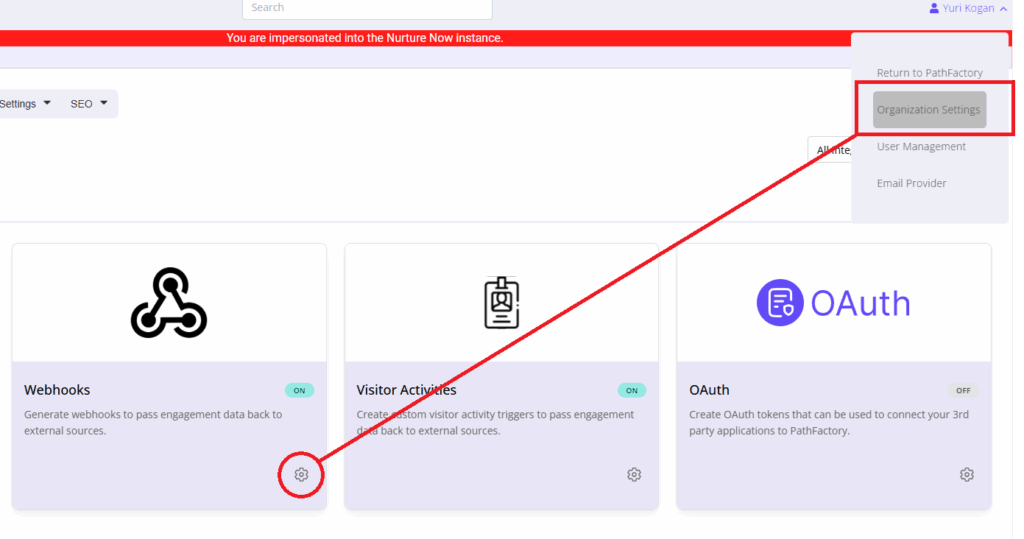
You can also limit the amount of bot data driving to your system by specifying a minimum session time that must be met for data to pass to your marketing automation platform. You can set this minimum session time for activity and session webhooks by navigating to your Organization Settings and selecting the Webhooks gear icon. Select an existing webhook; in the right sidebar, select Minimum Session Time and enter your desired time.
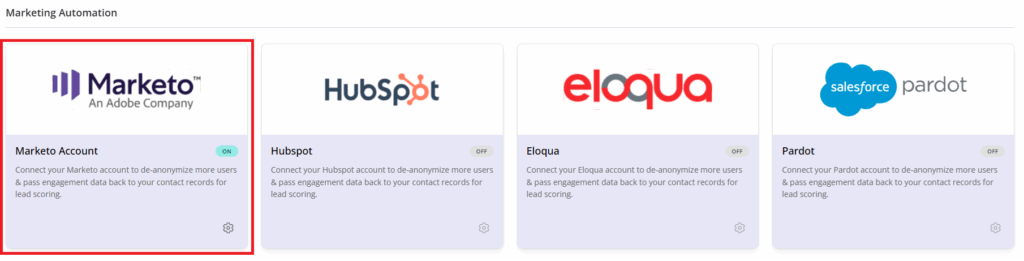
If you are a Marketo user, you can also set a minimum session time requirement for both your form submission and custom object exports. Navigate to Organization Settings and select the Marketo Account tab. Within the form submission or custom object export you want to update, select Edit and the minimum session time will be available to set in the edit modal.
Views: 90